When an excavator experiences abnormal vibration during operation, it not only affects operator comfort but also accelerates component wear. Here's a breakdown of the top 5 causes and troubleshooting steps:
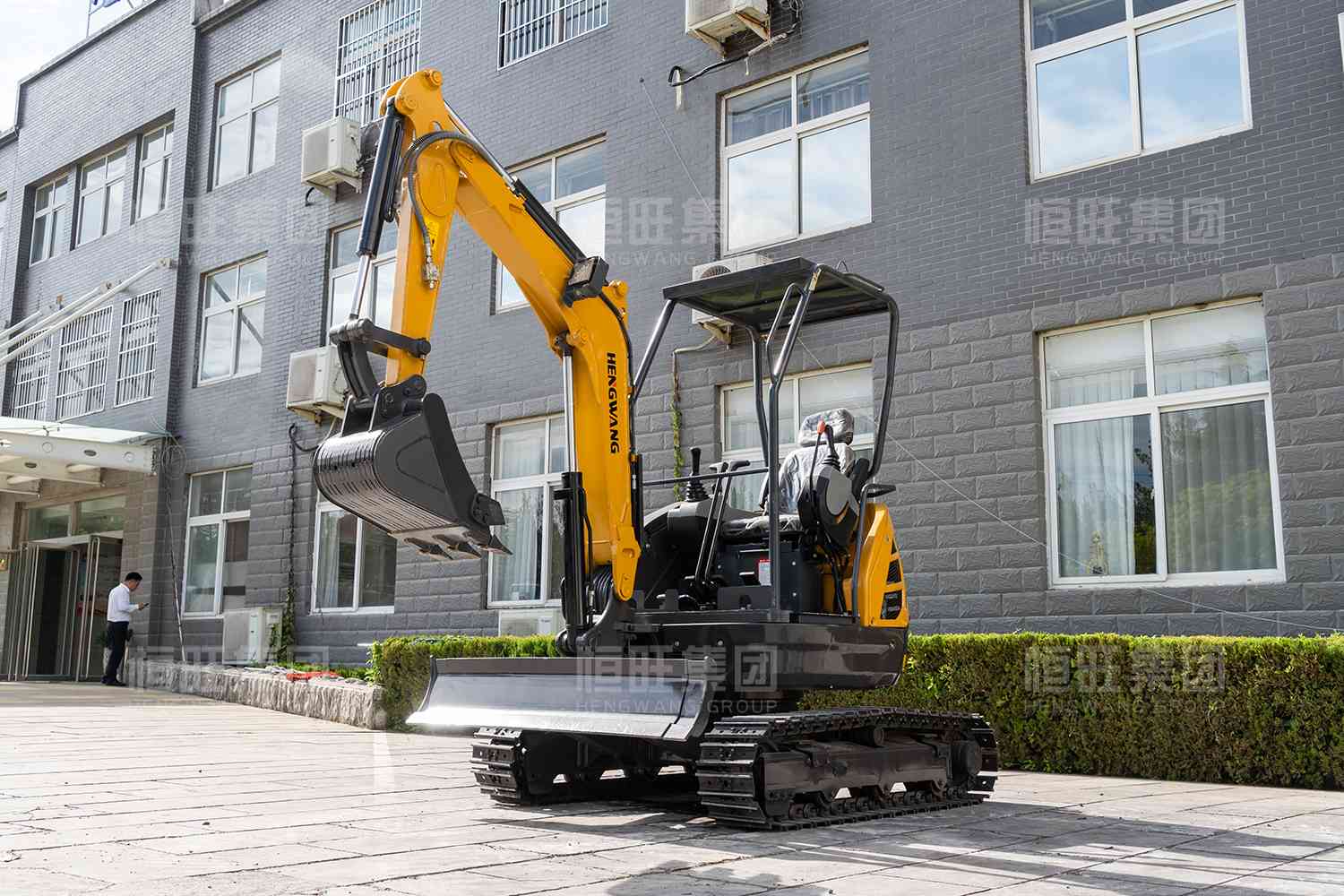
1. Engine Vibration Diagnosis
The engine is the primary vibration source for excavators. Loose mounting foot bolts or worn cushion blocks can weaken the flexible connection between the engine and frame, causing intense shaking.
Solution: Tighten engine mounting bolts and replace damaged cushion blocks to restore shock absorption.
2. Swing Mechanism Vibration Repair
If there is a "clicking" sound when the superstructure rotates, it indicates a problem with the planetary gear set. Contaminants or excessive gear wear disrupt meshing.
Solution: Disassemble the gear set to remove debris; replace damaged gears if detected.
3. Boom Hydraulic System Vibration
Jerky boom movements during lifting/lowering often result from a faulty check valve in the hydraulic cylinder or contaminated oil, causing spool valve blockages.
Solution: Clean the check valve assembly; replace the valve if worn, and inspect oil cleanliness.
4. Cab Resonance Troubleshooting
Obvious cab vibration usually stems from loose base bolts. This creates a resonance effect at specific engine RPMs.
Solution: Tighten all cab mounting bolts to eliminate gaps and suppress resonance.
5. Hydraulic Pump Vibration Fix
Pump vibration occurs due to oil flow instability, such as air entrainment (cavitation), metal debris, worn plungers, or blocked suction lines.
Solution: Inspect internal pump components, replace hydraulic oil, check seals, and clear blocked supply lines.
Quick Inspection Tips
Regular maintenance of the excavator's damping systems can prevent abnormal vibrations. When issues arise, follow a "mechanical → hydraulic → electrical" troubleshooting order to avoid escalating damage.